Know Varanasi · For International Visitors
Varanasi is one of the oldest continuously inhabited cities on earth, and for most visitors it is also the most intense place they have ever stood. This is a practical guide written by people who live here — how to get to the city from abroad, what genuinely catches foreign tourists out, and what is actually worth your time on the ghats of the Ganga.
Getting here
Varanasi has an international airport — Lal Bahadur Shastri (VNS) at Babatpur — but its international network is small. Unless you are flying from the Gulf or Kathmandu, you will almost certainly route through an Indian hub.
| Route | How | Time |
|---|---|---|
| From Europe, UK, USA, Australia | International flight to Delhi (DEL), then a domestic flight to Varanasi | 1 hr 20 min on the second leg |
| From the Gulf | Direct to Varanasi from Sharjah with Air India Express, or via Delhi or Mumbai | Direct |
| From Nepal | Direct from Kathmandu with Buddha Air | ~1 hr |
| From Southeast Asia | A seasonal Bangkok service operates; otherwise via Delhi | Seasonal |
| From elsewhere in India | Direct flights from Mumbai and Bengaluru; trains from Delhi take 8–12 hours | Varies |
By train, Varanasi is well connected to Delhi, Kolkata and Mumbai, and arriving at Varanasi Cantt station by rail is an experience in itself. It is slower and busier than flying, and if it is your first time in India, most people find the flight the kinder introduction.
Whichever way you arrive, the last stretch matters more than the distance — see our guide to airport pickup in Varanasi, since the old city lanes cannot be reached by car.
Honestly
None of this is dangerous, and none of it should put you off. But nobody enjoys learning it the hard way on their first morning.
A price agreed at the start of a rickshaw or taxi ride becomes a different price at the end. Agree the number before you get in, or book transport that is already paid for.
Someone attaches themselves at a ghat or temple gate, walks with you for twenty minutes, then asks for a fee. Saying no politely and firmly at the outset is easier than negotiating later.
Shops presented as official, where Banarasi silk is marked up to cover the commission paid to whoever brought you. Real weavers exist and are worth visiting — just not the ones a driver insists on.
At Manikarnika and Harishchandra, families are grieving. Photographing them is not acceptable, and being asked for money to photograph is a scam in itself. Look, do not shoot.
Narrow lanes, cows, motorbikes, sound and smell all at once. Many visitors find their first hour overwhelming and their third day transformative. Give the city more than one morning before judging it.
Carry cash — small lanes are cash-only. Get an Indian SIM at the airport for data. Drink sealed bottled water. Remove shoes before entering temples, and dress modestly at Kashi Vishwanath.
What to see
Varanasi tourism has a handful of genuine anchors and a great deal of noise around them. These are the ones worth your days.
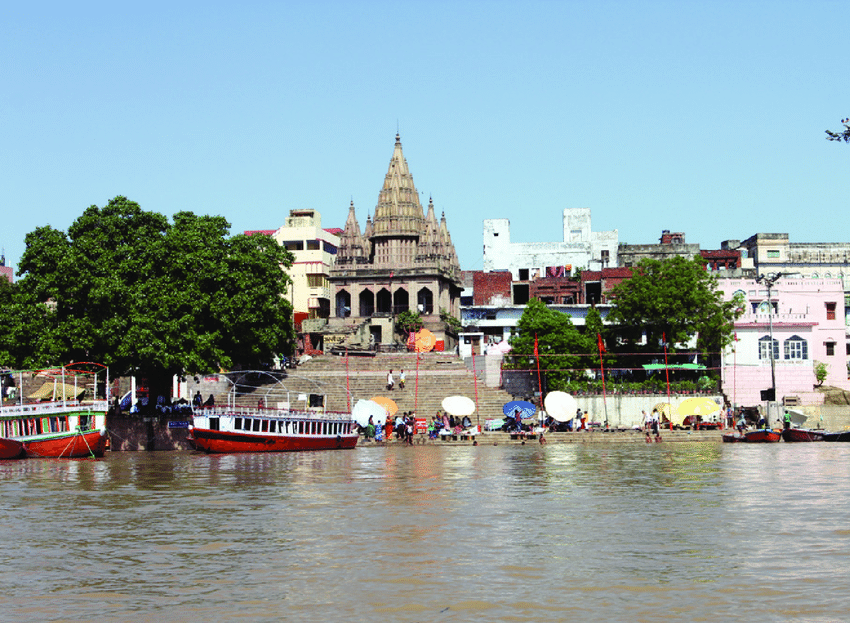
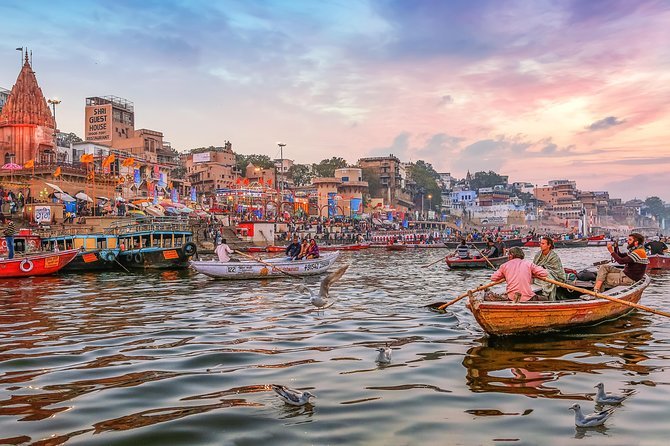
The single thing to do if you do only one. The riverfront faces east, so at dawn the whole sweep of the ghats is lit while the city is still waking. You will pass bathers, priests beginning morning rituals, and the great stone steps in their best light. More on the sunrise boat ride.
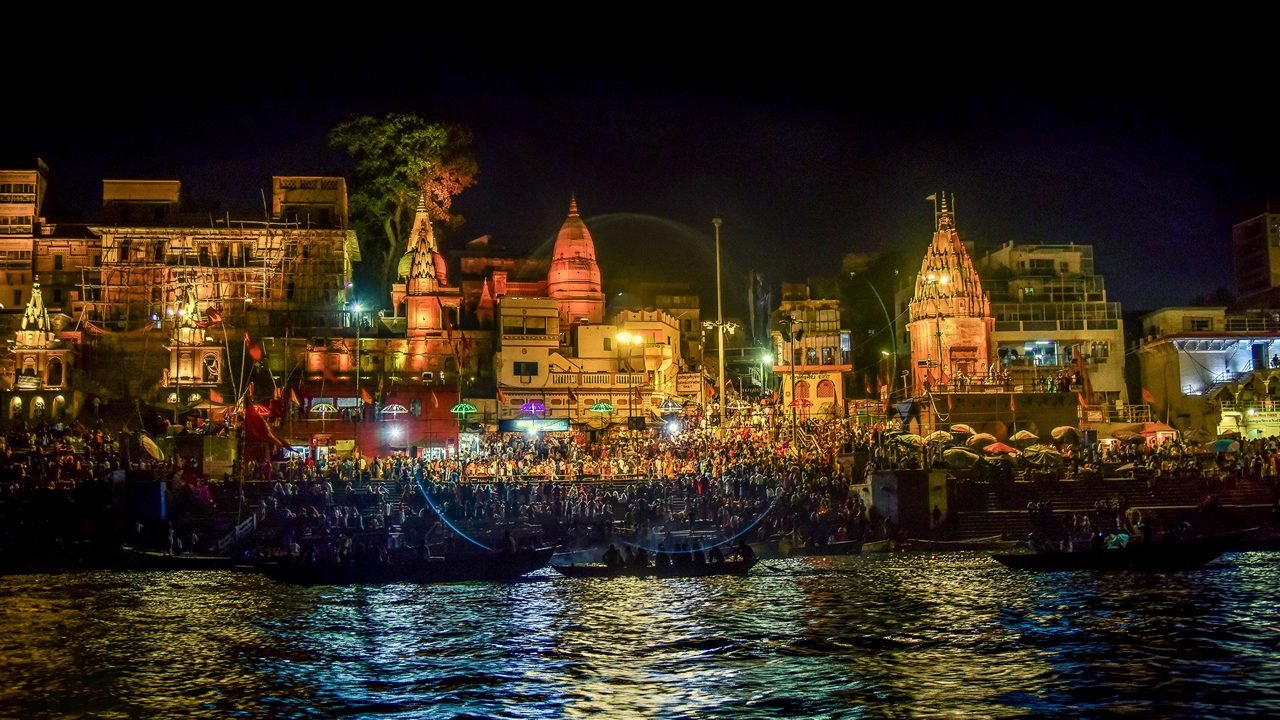
The evening fire ceremony to the river, performed every night with lamps, bells and chanting. Crowded, theatrical and genuinely moving. It can be watched from the steps or from a boat on the water — the boat gives you the better view and a place to sit.
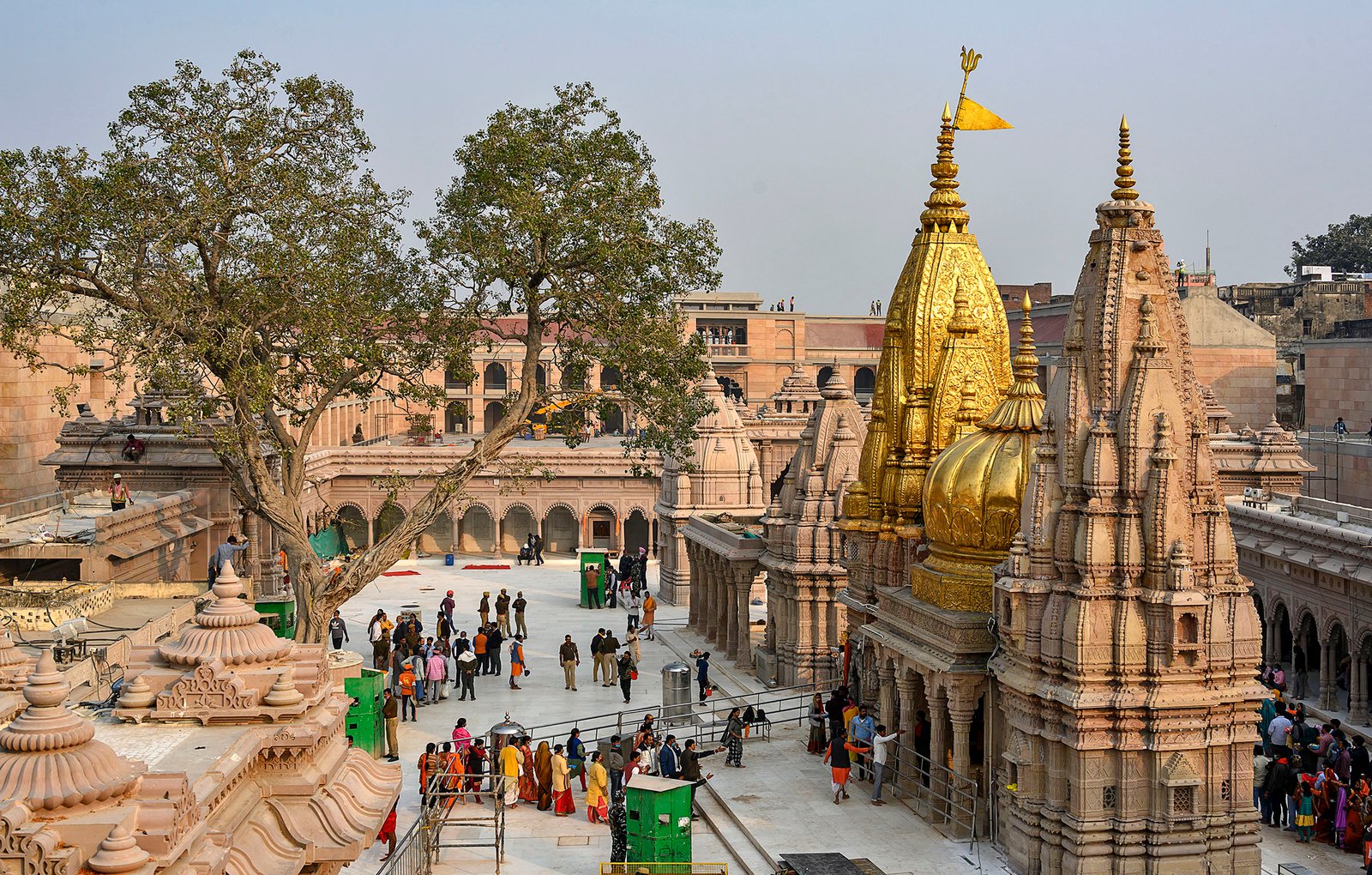
One of the twelve Jyotirlingas and the reason many pilgrims come to Kashi at all. Security is tight, queues are long, and phones are not permitted inside. Non-Hindus are welcome in the wider corridor complex; the inner sanctum has restrictions that vary, and it is worth asking rather than assuming.
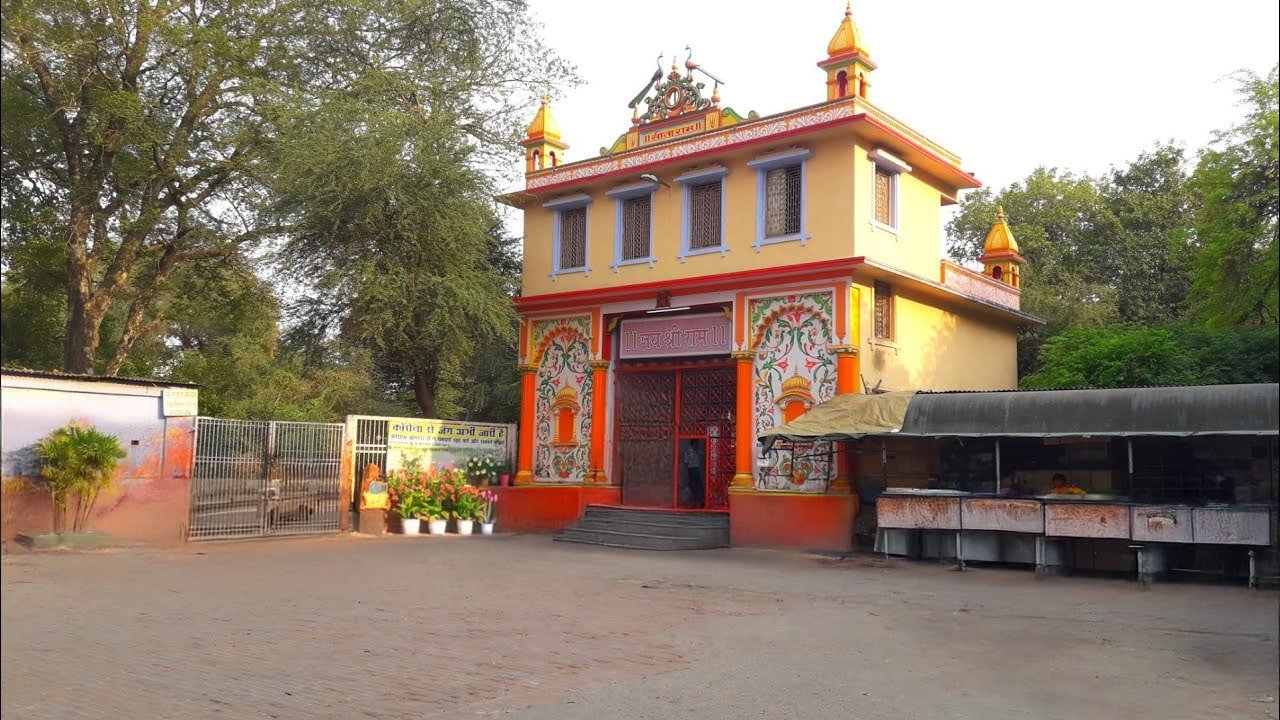
Where the Buddha gave his first sermon after enlightenment, about 30 minutes from the city. The Dhamek Stupa, the ruins and the museum make a calm half-day, and the contrast with the intensity of the ghats is the point. More on Sarnath.
The old city is a lattice of alleys where you will get lost, which is largely the point. Eat kachori sabzi in the morning, tamatar chaat in the afternoon, a Banarasi paan after dinner, and drink a lassi from a clay cup. For silk, buy at a loom rather than a showroom.
The Maharaja’s eighteenth-century fort across the river, faded and atmospheric, with a museum of vintage cars and astronomical clocks. More on Ramnagar.
If you are coming for a rite
A significant number of visitors from abroad come to Kashi not as tourists but to perform a rite for a parent or ancestor. If that is you, the practical questions are usually the same.
Read about pind daan and the other ceremonies we arrange.
Practicalities
Most international visitors fly into Delhi (DEL) and connect to Varanasi (VNS) — about 1 hour 20 minutes, several times daily on IndiGo, Air India and SpiceJet. Direct international services exist from Sharjah and Kathmandu, with a seasonal Bangkok route, but Delhi is the practical gateway for most of the world. Mumbai and Bengaluru also fly direct to Varanasi.
Yes. Most nationalities need an Indian visa, and the e-Visa is applied for online before travel through the Indian government portal. Apply well ahead and carry a printed copy. Requirements change, so check the official government site for your nationality rather than a travel blog.
Fares renegotiated at the end of a ride; unofficial guides who attach themselves and ask for payment later; commission shops presented as government emporiums; confusion about photography at the cremation ghats, where it is genuinely not acceptable; and the sensory intensity of the old city. None are dangerous, and all are avoidable with someone local alongside you.
A sunrise boat ride on the Ganga; the evening Ganga Aarti at Dashashwamedh Ghat; Kashi Vishwanath Temple; the lanes of the old city; Sarnath, where the Buddha gave his first sermon; and the food — kachori sabzi in the morning, a Banarasi paan afterwards.
Broadly yes, and violent crime against visitors is rare. The realistic risks are overcharging, persistent touts, and getting lost in the lanes after dark. Solo women visit Varanasi regularly; dressing modestly, avoiding unlit lanes late at night and keeping a local contact number makes it considerably easier.
Yes. Pind daan and other ancestral rites are regularly performed by families living abroad, including people of Indian origin returning for the purpose and non-Indian spouses accompanying them. The correct rite depends on how long ago the death occurred and your family tradition.
October to March. Comfortable weather, clear mornings on the Ganga, and the major festivals — Dev Deepawali in November is the most spectacular night of the Varanasi year. April to June often exceeds 40°C; July to September is the monsoon and the river runs high.
Two nights minimum — one sunrise on the river, one evening aarti. Three nights lets you add Sarnath and the markets unhurried. People who come for one night almost always wish they had stayed longer.
Airport pickup, a car that is yours for the trip, a Sāthi who speaks your language, and a plan built around what you actually want from Kashi.
See our Varanasi packagesIn their words
Read all reviews →