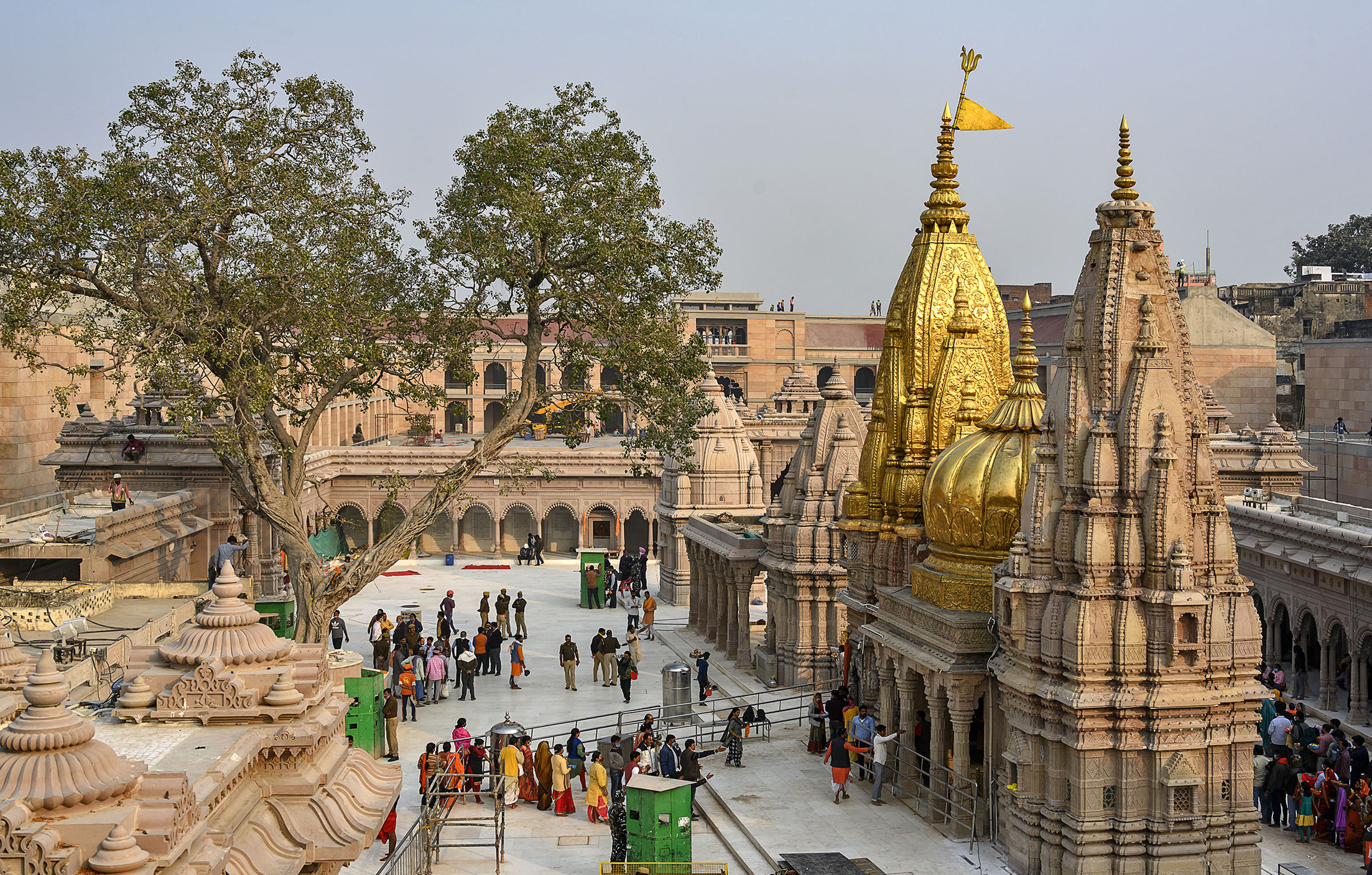
Kashi Vishwanath Temple
The reason Varanasi is called Kashi at all. This is one of the twelve Jyotirlingas — the holiest form Shiva is believed to take on earth — and for many pilgrims, a single darshan here matters more than any other stop on the trip. The current structure was built in 1780 by Queen Ahilyabai Holkar of Indore, after earlier temples on the site were destroyed; the two domes were gold-plated in 1839 on the orders of Maharaja Ranjit Singh, which is why locals still call it the Golden Temple.
The temple runs on a tight ritual clock — Mangala Aarti before dawn, Bhog Aarti at midday, Sandhya Aarti at sunset, Shringar Aarti at night — and each draws a different crowd. Security is airport-grade (phones and bags aren't allowed inside), and the queue can run to hours during festivals.
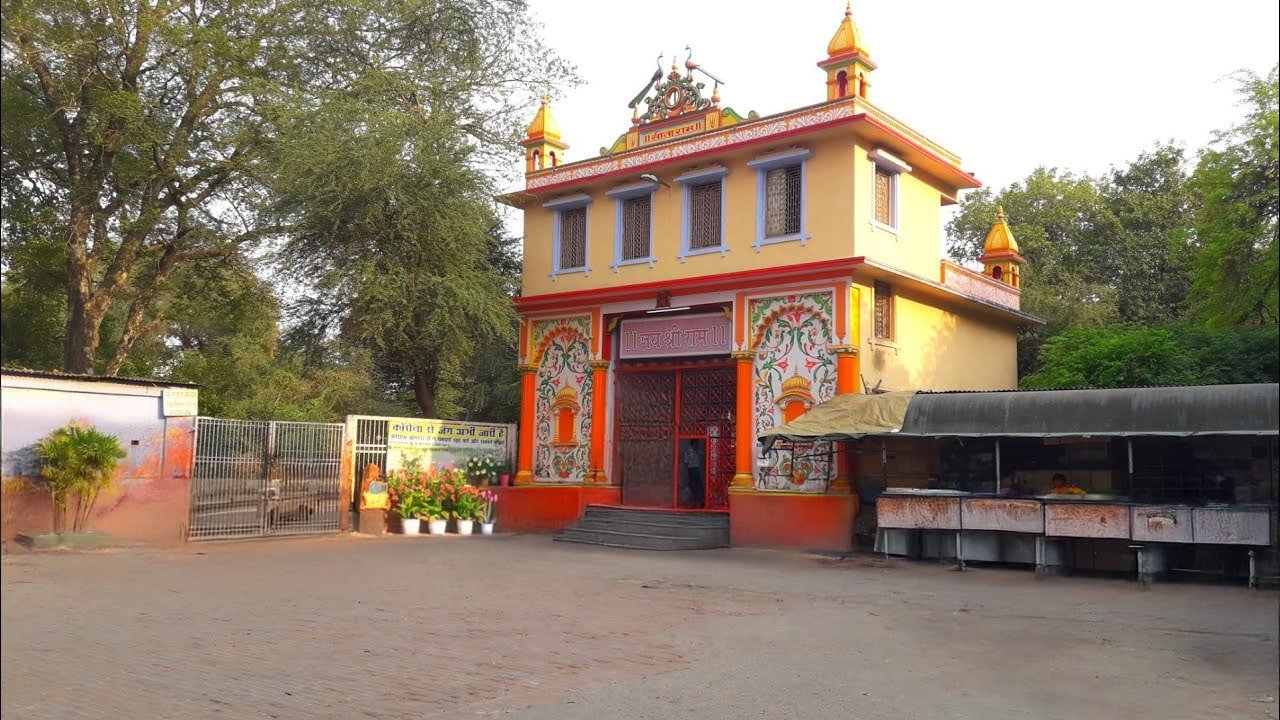
Sankat Mochan Hanuman Temple
Founded in the 16th century by the poet-saint Tulsidas — author of the Ramcharitmanas — on the spot where he's said to have had a vision of Hanuman. "Sankat Mochan" means "reliever of troubles," and the temple has a genuinely local, unhurried feel compared to the bigger pilgrimage sites: families come on Tuesdays and Saturdays (Hanuman's favoured days) for simple, personal reasons.
It sits on the banks of the Assi river near Banaras Hindu University, and it's also where the Sankat Mochan Foundation — founded by the temple's former head priest — has run one of India's longest-standing river conservation efforts for the Ganga.
.jpg) Photo via Wikimedia Commons
Photo via Wikimedia CommonsDurga Temple (Durga Kund)
Built in the 18th century in North Indian nagara style and washed in a deep ochre-red, which is how it earned the nickname "Monkey Temple" among visitors (and, fair warning, resident monkeys who are used to being fed). It stands beside a rectangular temple tank, Durga Kund, and is one of the city's principal shrines to the goddess Durga.
It's at its most alive during Navratri, when the temple becomes a focal point for nine nights of ritual and celebration — but it's worth a quieter daytime visit too, for the architecture alone.
.jpg) Photo via Wikimedia Commons
Photo via Wikimedia CommonsTulsi Manas Temple
A modern temple (built in 1964, in white marble) right next to Durga Temple, dedicated to Rama and built at the spot associated with Tulsidas's final years. What makes it worth the stop is unusual for a temple: the entire text of the Ramcharitmanas — the epic Tulsidas wrote here — is inscribed on the walls, and mechanical dioramas on the upper floor animate scenes from Rama's life.
It's an easy, low-key add-on to a Durga Temple visit since the two sit almost next door to each other.
Kaal Bhairav Temple
Dedicated to Kaal Bhairav, the fierce guardian deity considered the "kotwal" (police chief) of Kashi in local tradition — no pilgrimage to the city is considered complete without paying respects here, ideally before or after Kashi Vishwanath. Devotees traditionally receive a black thread (kalava) tied around the wrist as a mark of the deity's protection.
The atmosphere is intense rather than serene — expect close crowds, loud bells, and a much rawer devotional energy than the more tourist-frequented temples.
Annapurna Devi Temple
Steps from Kashi Vishwanath, dedicated to Annapurna — the goddess of food and nourishment, and by local belief, the one who keeps Varanasi from ever going hungry. The temple's gilded image of the goddess is only shown once a year, but the everyday shrine and its rituals are worth the short detour on their own.
Because it sits so close to Vishwanath, most visitors combine the two in a single walk through the old city lanes.
 Photo via Wikimedia Commons
New Vishwanath Temple, BHU
A striking white-marble Shiva temple inside the Banaras Hindu University campus, funded by the Birla family and notable for having no restrictions by caste or religion on who may enter — a deliberate design choice tied to BHU's founding values. It's tall, quiet, and architecturally very different from the old-city temples: open, modern, and calm rather than dense and ritual-packed.
Worth pairing with a walk through the BHU campus itself, which has its own quieter, tree-lined charm.