Rituals & Rites · Varanasi
Pind daan, asthi visarjan, mundan, and other after-death or ancestral ceremonies are among the reasons families come to Varanasi. We help arrange these quietly, with a vetted pandit and the correct site for your specific rite — one price, agreed with you beforehand, and nothing added once the ceremony has begun.
What we help arrange
Each of these serves a different purpose within the tradition, and your pandit will guide you on what's appropriate for your family's situation:
How we handle this
This is one area where we're deliberately restrained rather than promotional:
Other ceremonies
Pind daan is the one most families ask for by name, but it is not always the rite that fits. Which ceremony is correct depends on how long ago the death occurred, how it occurred, whether shraddh has been kept up, and what your family tradition prescribes. Below is what we arrange and what each is for. Only pind daan carries a listed price — the rest vary too much by duration, site, number of pandits and materials to publish a figure honestly, so we quote each one.
The water offering to ancestors, made with kush grass and black sesame. Performed on its own during Pitru Paksha, or as part of a fuller shraddh. Short, and often the rite families return for annually.
The annual observance for a departed parent or ancestor, on the tithi of their passing or during the sixteen days of Pitru Paksha. Varanasi fills during this fortnight, so pandits and ghat slots need booking several weeks ahead.
Performed when shraddh has not been kept for three years or more, or where three generations of ancestors are believed to remain unsatisfied. Traditionally done at Pishach Mochan Kund, the site the Garuda Purana associates with this rite. A longer ceremony, usually a full morning.
For a death that was untimely or unnatural, and where Pitru Dosh is believed to persist. Also performed at Pishach Mochan. Usually conducted over more than one day and requires specific tithis, so dates are worked out with the pandit before anything is fixed.
Performed for the liberation of a departed soul, and the reason many families choose Kashi over anywhere else — the city’s association with moksha is the whole point of bringing the rite here. Arranged at the ghat or temple appropriate to your tradition.
Immersion of the ashes in the Ganga, with the accompanying rites. We can meet you at the airport or station and go straight to the ghat if you are travelling with an urn, which is what most families prefer to do.
Where a family believes ancestral affliction is affecting the living — often identified by an astrologer before you arrive. Tell us what has been prescribed to you and we will arrange it as specified rather than substituting our own view.
Performed for peace of the departed and for the wellbeing of the family. The Maha Mrityunjaya jaap is counted in a fixed number of recitations, so the cost depends on the count and the number of pandits engaged.
Last rites and the eleventh and thirteenth day ceremonies. If you are arranging these under the pressure of a recent death, call rather than book online — these need a conversation, not a form.
The first tonsure, performed at the ghat. Not a funeral rite, and often a happy occasion; families frequently pair it with a family pooja.
What actually happens
Most of the anxiety families carry into this is not about belief. It is about not knowing what will physically happen, who will be there, and whether they will be asked for money halfway through. So:
Pricing
Pind daan is ₹5,999 per ceremony, covering the pandit, the appropriate site, and all standard materials. One number, decided with you beforehand, so there is nothing to negotiate or add once the day arrives. You can book that here.
Every other rite on this page is quoted individually, and we would rather do that than publish a number we cannot keep. Tripindi shraddh runs a full morning; narayan bali may run across days and fixed tithis; a maha mrityunjaya jaap is priced by the recitation count. Quoting one figure for all of them would mean either overcharging the short rites or revising the price on families arranging the long ones. Tell us what you need and you will have a written figure, usually the same day.
Whatever the rite, the commitments are identical: the number is agreed before anything begins, materials are included, and nothing is proposed as an add-on once the ceremony is under way.
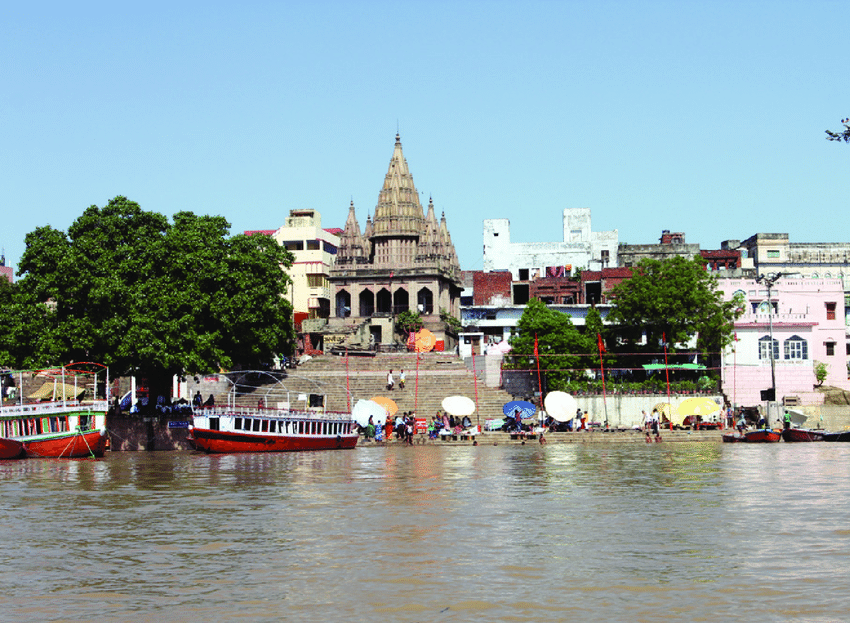
Pind daan is a Hindu ritual offering made for a deceased ancestor, intended to support their soul's peace and passage. Varanasi, and specifically sites like Pisach Mochan Kund, is considered one of the most significant places to perform it.
Several sites are used depending on the specific rite and family tradition, including Pisach Mochan Kund and ghats along the Ganges. Your pandit will confirm the appropriate site for your specific ritual.
Asthi visarjan is the immersion of a deceased person's ashes into the Ganges, typically performed after cremation. It can be done shortly after cremation or brought to Varanasi at a later date.
Requirements can vary; we'll advise you of anything needed when you get in touch, so there are no surprises on the day.
In some traditions, a proxy performs certain rites on the family's behalf when they're unable to travel. Speak with us directly about your specific situation and we'll explain what's possible.
Tarpan, annual shraddh and Pitru Paksha rites, tripindi shraddh at Pishach Mochan, narayan bali and nagbali, moksh prapti puja, asthi visarjan, pitru dosh nivaran, rudrabhishek, maha mrityunjaya jaap, antyeshti with the eleventh and thirteenth day ceremonies, and mundan. Which one is appropriate depends on how long ago the death occurred, how it occurred, and whether shraddh has been observed — we will talk it through with you. Pind daan is a fixed ₹5,999; the others are quoted individually.
Pind daan is ₹5,999 per ceremony, agreed in advance and covering the pandit, the correct site and all standard materials. Nothing is added once the ceremony has begun. Other rites — tripindi shraddh, narayan bali, moksh prapti puja, asthi visarjan and others — are quoted individually, because they vary in length, site and the number of pandits engaged. You get a written figure before anything is arranged.
If you have questions about what's appropriate for your family's tradition, call or WhatsApp us — there's no obligation, and we won't rush you.
Call usIn their words
Read all reviews →