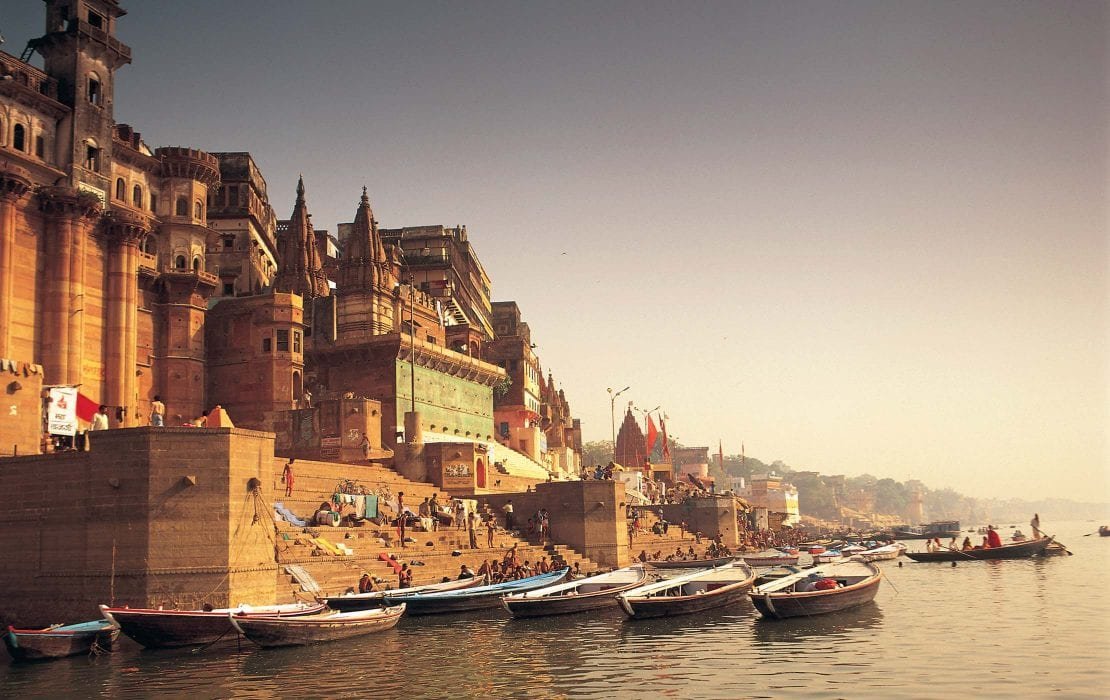
Varanasi doesn't work like other destinations. There's no single monument you tick off, photograph, and leave. The city itself is the attraction — a five-kilometre curve of stone steps along the Ganga where prayer, commerce, cremation, music and breakfast all happen within a few metres of each other, and have done for around three thousand years.
That's exactly what makes it hard to plan. Most first-time visitors arrive with a list and leave realising they saw the city without ever quite entering it.
This guide covers what's genuinely worth your time in Varanasi, in the order the city naturally reveals it — early morning to late night — plus how many days you actually need and what to skip.
1. Take a Sunrise Boat Ride on the Ganga
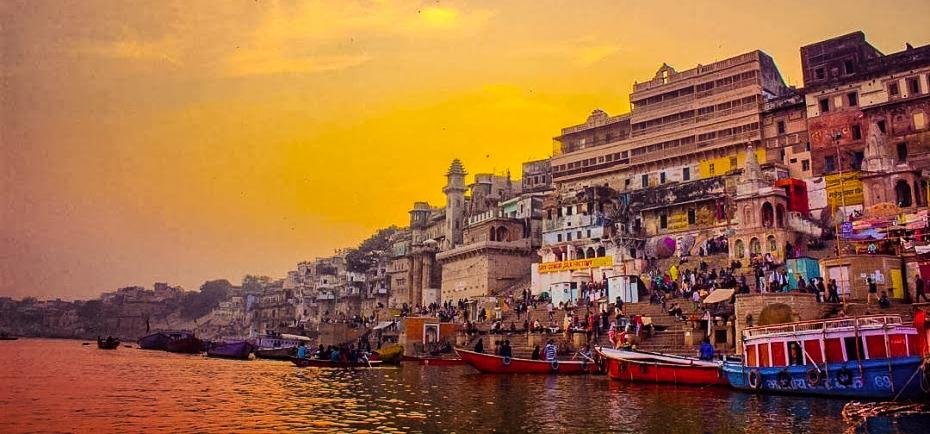
If you do one thing in Varanasi, do this. Push off from the ghats around forty-five minutes before sunrise, when the river is still grey and the city is only beginning to sound.
From the water you see what you cannot see from the lanes: the full sweep of the ghats rising in tiers, pilgrims descending for their morning dip, wrestlers training on the steps, priests performing surya arghya with cupped water held to the light. The sun comes up over the eastern bank — deliberately left undeveloped, and sacred for that reason — and the whole western facade of the city turns amber for about ten minutes.
Go by rowing boat rather than a motorboat if you can. The silence is half the experience.
Practical note: Sunrise is roughly 5:15 AM in summer and 6:20 AM in winter, so your pickup time shifts by season. Book the boat the previous evening rather than negotiating at the ghat in the dark.
Read more about our sunrise boat ride experience →
2. Walk the Ghats — Slowly, and With Someone Who Knows Them
There are around 84 ghats along the Ganga in Varanasi, and each has a story, a founding patron and a specific ritual function. Walking them end to end takes two to three hours at a comfortable pace.
A few worth knowing before you go:
- Assi Ghat — the southern end, where the Assi stream meets the Ganga. Youngest crowd, morning yoga, the best place to simply sit.
- Dashashwamedh Ghat — the busiest and most central; site of the evening Ganga Aarti.
- Manikarnika Ghat — the principal cremation ghat, where fires have reportedly burned without interruption for centuries.
- Harishchandra Ghat — the second cremation ghat, older and quieter.
- Panchganga Ghat — where five rivers are said to meet, crowned by the Alamgir Mosque.
- Kedar Ghat — brightly striped steps, strong South Indian community, beautiful in early light.
- Chet Singh Ghat — the fortified ghat, a reminder that the river was also a defensive line.
A word about the cremation ghats: these are working funeral grounds, not attractions. Families are present. Photography is not permitted and asking for permission is not appropriate. Anyone offering to take you to a "special viewing area" for a donation is running a well-known scam — walk past politely. Observe from a respectful distance, quietly, and move on.
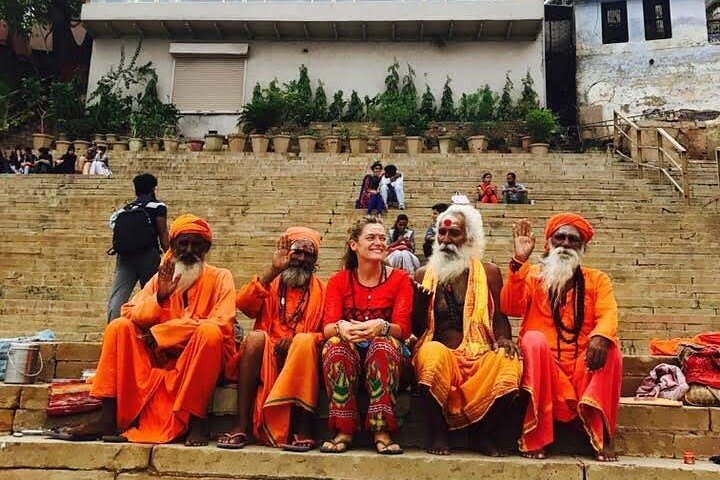
Explore the ghats of Varanasi in detail →
3. Catch Subah-e-Banaras at Assi Ghat
The city's official morning ritual: Vedic chanting, a small aarti, and then live Indian classical music on the steps as the sun rises. It begins around 5:30 AM in summer, 6:00 AM in winter. Free, uncrowded compared to the evening aarti, and far more intimate.
If you only have one morning and you're choosing between this and the boat ride — take the boat, and come here on a second day.
4. Kashi Vishwanath Temple Darshan
The Jyotirlinga at the centre of it all, and the reason a large share of visitors come to Varanasi in the first place. Since the Kashi Vishwanath Dham corridor opened, the approach has changed completely — a wide stone plaza now connects the temple directly down to Lalita Ghat on the river, replacing what used to be a knot of narrow lanes.
What to know:
- Mobile phones, cameras, leather items and bags are not permitted inside. Lockers are available at the entry gates.
- Queues vary enormously. Early morning (4–6 AM) and late evening are lighter; Mondays, Shravan month and festival days are extremely heavy.
- Several darshan routes exist, including sugam darshan and specific aarti slots (Mangala Aarti at dawn is the most sought-after and needs advance booking).
- Non-Hindu visitors are permitted, though rules can change — check current status before planning.
Getting the entry route, timing and locker logistics right is most of the battle here.
See our Kashi Vishwanath darshan package →
5. Attend the Ganga Aarti at Dashashwamedh
Every evening at dusk, seven priests perform a synchronised fire ceremony on raised platforms at Dashashwamedh Ghat — brass lamps, conch shells, incense, bells, the whole river reflecting it back. It runs about forty-five minutes and starts around 6:45 PM in summer, 6:00 PM in winter.
You have two options, and they're genuinely different experiences:
- From the steps — closer to the chanting and the crowd, free, but you need to arrive 45–60 minutes early for a usable spot.
- From a boat — you face the priests directly, you're not standing in a crush, and the photographs are far better. This is what most visitors end up preferring.
There's a smaller, quieter aarti at Assi Ghat too, worth considering if you're aarti'd out or travelling with elderly parents.
6. Go Beyond Vishwanath — the Temples Most Visitors Miss
Varanasi has hundreds of temples, and a handful are essential:
- Sankat Mochan Hanuman Temple — founded by Tulsidas, famous for its Tuesday and Saturday crowds and its classical music festival.
- Kaal Bhairav Temple — the fierce guardian of the city. Tradition holds you should seek his permission before darshan elsewhere in Kashi.
- Durga Kund (Durga Temple) — 18th-century, ochre-red, beside a stepped tank.
- New Vishwanath Temple (BHU) — inside the Banaras Hindu University campus, calm, marble, and open to all visitors. The campus itself is a pleasant break from the old city.
- Tulsi Manas Mandir — where Tulsidas is believed to have composed the Ramcharitmanas, with its verses inscribed on the walls.
- Annapurna Temple — goddess of nourishment, adjacent to Kashi Vishwanath.
7. Take a Half Day at Sarnath
Ten kilometres from the ghats, Sarnath is where the Buddha delivered his first sermon after attaining enlightenment. The Dhamek Stupa, the excavated monastery ruins, the Ashoka pillar remains, and the Sarnath Museum — which holds the original Lion Capital, India's national emblem — make up an easy, calm half-day.
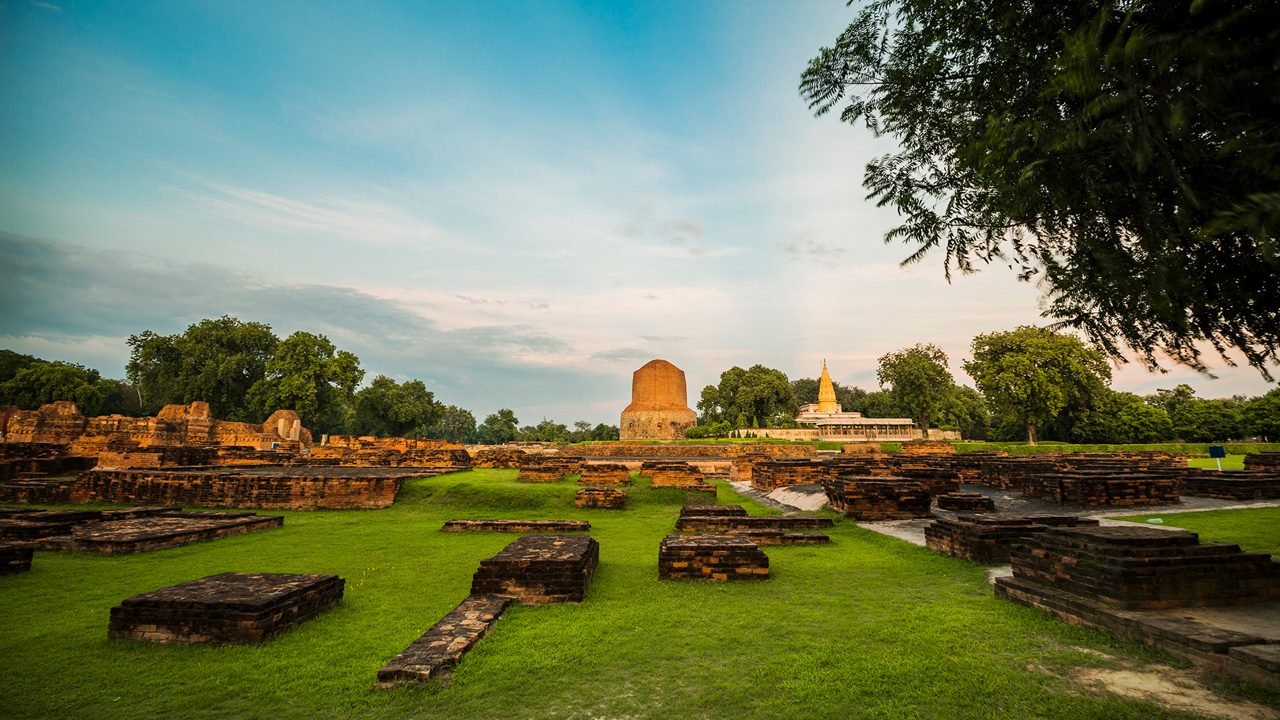
It's a complete tonal shift from the old city: green, quiet, orderly. Many visitors find it a necessary breather in the middle of a Varanasi trip. Allow three to four hours including travel.
8. Cross the River to Ramnagar Fort
The 18th-century seat of the Maharaja of Banaras sits on the eastern bank, all sandstone and slow decay. The museum inside is idiosyncratic in the best way — vintage cars, ivory work, palanquins, weaponry, and an astronomical clock from the 1850s that still tracks planetary positions.
Ramnagar is also home to the month-long Ramlila, a UNESCO-recognised open-air enactment of the Ramayana staged each autumn across the town.
9. Eat Your Way Through Banaras
Underrated as a food city, and a genuine reason to visit in itself. What to seek out:
- Kachori-sabzi and jalebi for breakfast — the standard Banarasi morning, best in the lanes around Kachori Gali.
- Tamatar chaat — a Varanasi original, and unlike chaat anywhere else in India.
- Banarasi lassi in a clay kulhad, thick enough to need a spoon.
- Malaiyo — a winter-only, dew-whipped milk foam dusted with pistachio. Available roughly December to February and worth planning around.
- Thandai — spiced, chilled, almond-heavy.
- Banarasi paan — the ceremonial full stop to any meal here.
10. See Banarasi Silk Being Woven
Not the showroom version — the loom version. Varanasi's silk weaving tradition is centuries old and holds a Geographical Indication tag. Visiting a working weaver's home or a small unit in areas like Sarai Mohana lets you see a single sari take days or weeks of handwork on a pit loom.
If you intend to buy, go with someone who knows the difference between handloom, powerloom and imitation — the price gap is enormous and the visual difference is subtle to an untrained eye.
11. Hear Live Classical Music
Varanasi is the home of the Benares gharana. Ravi Shankar, Bismillah Khan, Girija Devi, Kishan Maharaj — all rooted here. Depending on the season you may catch performances at Assi Ghat's morning programme, at temple courtyards, or during the Sankat Mochan Sangeet Samaroh, a multi-night all-night classical festival held at the Hanuman temple each April.
12. Perform Rituals and Ancestral Rites
For many Indian families, Varanasi is not sightseeing at all. Pind daan, tarpan, asthi visarjan and shraddh rites performed at the ghats — particularly at Pishach Mochan and along the river — carry specific significance in Kashi.
These require the right priest, the right ghat, the right samagri and the right timing. If this is your purpose for coming, arrange it properly in advance rather than at the ghat on the day.
See our ritual and ceremony services →
13. Time Your Trip Around Dev Deepawali
On Kartik Purnima, fifteen days after Diwali, every ghat along the river is lit with lakhs of earthen lamps. It is the single most spectacular night in the Varanasi calendar, and boats are booked out weeks in advance.
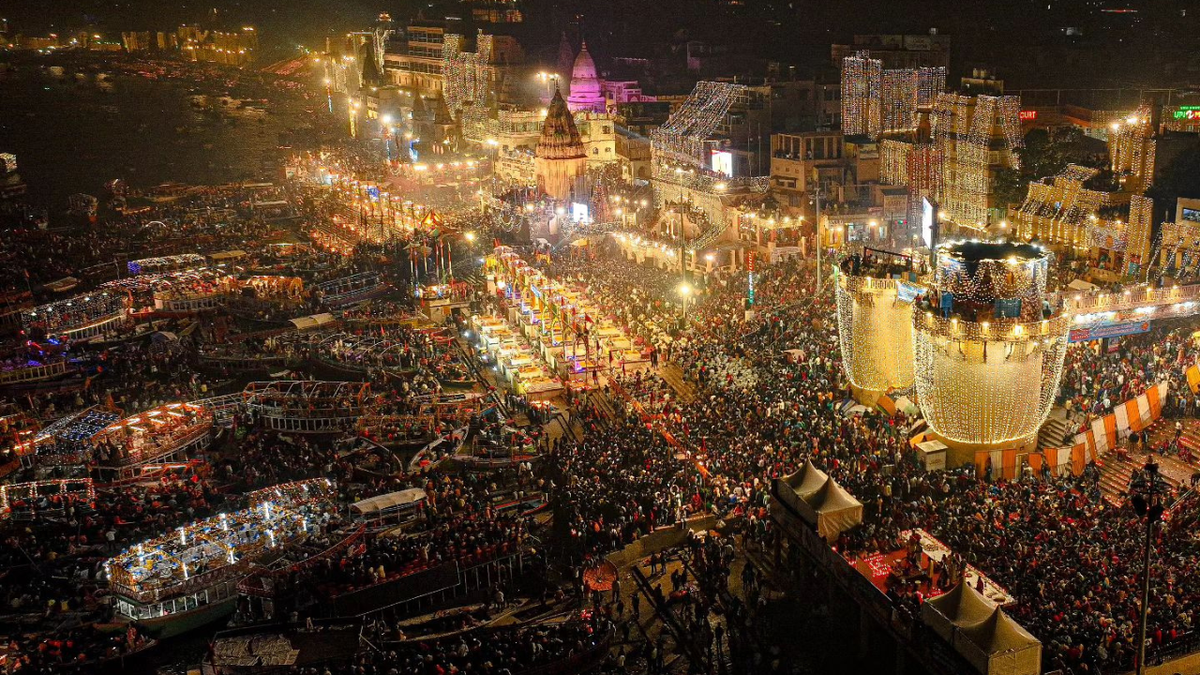
Other dates worth building a trip around: Mahashivratri, Ganga Mahotsav, Nag Nathaiya, and the Ramnagar Ramlila.
How Many Days Do You Need in Varanasi?
One day (the compressed version):
Sunrise boat ride → breakfast in the lanes → Kashi Vishwanath darshan → afternoon rest → evening Ganga Aarti from a boat.
Two days (recommended minimum):
Day 1 as above. Day 2: Sarnath in the morning, Sankat Mochan and Durga Kund in the afternoon, ghat walk at sunset.
Three days (comfortable):
Add Ramnagar Fort, BHU campus and New Vishwanath Temple, a silk weaving visit, and a second, slower morning on the ghats — which is usually the part people remember most.
Four or more days: Add Chunar Fort, Vindhyachal, Chitrakoot, or Ayodhya and Prayagraj if you're building a wider pilgrimage circuit.
Practical Tips for Visiting Varanasi
- Getting around: The old city lanes are too narrow for cars. Expect to walk, and wear shoes you can slip off easily and don't mind getting dusty.
- Dress: Modest clothing for temples — shoulders and knees covered. Many temples require you to leave leather items outside.
- Cash: Carry small notes. Boatmen, priests and small shops often can't break large denominations.
- Touts: Unsolicited "guides" at the ghats and railway station are common. Anyone quoting a price that changes mid-conversation is not someone to go with.
- Health: Drink bottled or filtered water. Street food is generally fine if you choose busy stalls with high turnover.
- Language: Hindi and Bhojpuri dominate. English is common in tourist-facing businesses but not in the lanes.
Let Us Handle the Logistics
Varanasi rewards visitors who aren't spending their energy on negotiation. Most of what goes wrong here is logistical, not experiential — the boat that leaves late and misses the sunrise, the darshan queue nobody warned you about, the driver who doesn't know which gate to drop you at, the "fixed price" that isn't.
Kashi and Kin is a Varanasi-based team running guided tours, sunrise boat rides, temple darshan, pilgrimage rituals and private car hire across the city and the wider circuit. Our Sāthis — local companions and guides — work in fifteen languages, so you're getting the city explained by someone who grew up in it, in the language you think in.
Every service we offer carries our Fair Price Pledge: fixed, printed, transparent rates. No negotiation at the ghat, no surprises at the end of the day.
View our Varanasi tour packages → From single-day essentials to multi-day pilgrimage circuits.
Frequently Asked Questions
What is the number one thing to do in Varanasi?
A sunrise boat ride on the Ganga. It gives you the full view of the ghats coming alive and sets the context for everything else you'll see over the rest of your trip.
How many days are enough for Varanasi?
Two days covers the essentials — boat ride, Kashi Vishwanath, Ganga Aarti and Sarnath. Three days lets you move at the city's pace rather than a checklist's.
Is Varanasi safe for solo and female travellers?
Generally yes, and the ghats are busy well into the night. Standard precautions apply: avoid isolated lanes after dark, use pre-arranged transport, and be firm with touts.
What is the best time to visit Varanasi?
October to March, when the weather is comfortable and the festival calendar is at its fullest. Dev Deepawali in November is the peak.
Can non-Hindus visit Kashi Vishwanath Temple?
Non-Hindu visitors are generally permitted, though entry rules can change. Confirm the current position before you plan your visit.
Do I need a guide in Varanasi?
For the ghats and temples, strongly recommended. The layout is genuinely disorienting, and most of what matters here is invisible without someone to explain it.