The honest answer is October to March, with November being the single best month if you can choose freely. But that one-line answer misses most of what actually matters when planning a trip here — because Varanasi isn't one experience. It's a city that changes character completely depending on season, and the right time to visit depends on what you're actually coming for.
This guide goes month by month, covers the festivals worth planning around, and tells you what the crowd situation at Kashi Vishwanath looks like at each point in the year — which is usually the thing nobody mentions until you're standing in a four-hour queue.

October — The Season Opens
October is when Varanasi shakes off the monsoon. The air clears, the river comes down from its flood level, and the ghats become walkable again all the way down to the water. Temperatures drop to a comfortable 18–28°C range. Crowds start building from mid-October but haven't reached peak yet.
This is a good window if you want pleasant weather without the full peak-season prices and pressure. The ghats in October morning light — still slightly mist-laden after the monsoon — are among the most photogenic they get all year.
November — The Best Month
If there's a single month to pick, it's November. The weather is as close to perfect as Varanasi gets: 10–25°C, clear skies, cool evenings. The city is fully alive but not yet at its most exhausting peak.
And then there's Dev Deepawali.
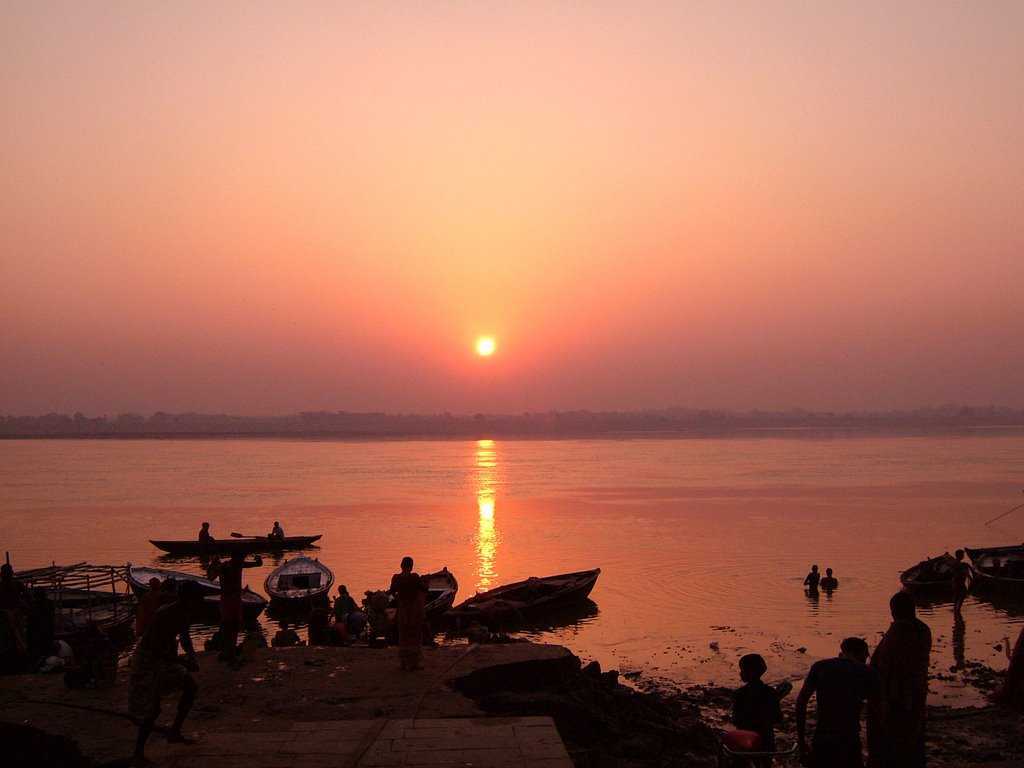
On Kartik Purnima — the full moon of the Hindu month of Kartik, typically falling in early November — the entire riverfront is lit with over fifteen lakh earthen diyas. All eighty-four ghats. The reflection on the Ganga at that moment is one of those things that visitors consistently describe as the most beautiful single thing they've seen in India. Arrive by boat if you can; the view from the water, looking back at the illuminated city, is not the same thing as watching from the steps.
Book accommodation several weeks in advance for Dev Deepawali. The city fills quickly and prices spike sharply in the two days either side of the festival.
Our Kashi package includes an evening boat ride — see what's included →
December & January — Peak Winter
The most popular months for foreign visitors and Indian tourists alike. Temperatures drop to 8–15°C in the mornings and evenings, with pleasant afternoons around 20°C. Mornings on the ghats have a real chill to them — the mist over the river at sunrise in January is something specific to this season and worth getting up for.
The trade-off is crowds. Kashi Vishwanath queues are long in December and January — plan for at least two hours even on regular days, and more on weekends and auspicious dates. Hotels fill up and rates are at their peak. Boat operators on the ghats are at their most aggressive with pricing.
Makar Sankranti falls in mid-January: pilgrims come from across the country for holy dips, and the ghats are packed from 4 AM. Worth seeing if you're already here; not a reason to change your dates around it.
February — Mahashivratri Warning
February is otherwise a lovely month to visit — still cool, clear, and manageable. But if your dates land on or near Mahashivratri, you need to know what you're walking into.
Kashi Vishwanath on Mahashivratri sees upwards of two lakh devotees in a single day. Queue times reach four to eight hours. The roads around Godowlia and Dashashwamedh are closed to vehicles from the day before. The temple extends darshan through the night with four prahar pujas, which means the chaos runs for a full 24 hours.
If witnessing Mahashivratri in Varanasi is specifically what you want, it is spectacular — the Shiv Baraat procession through the old city is extraordinary. But go in with accurate expectations about what the experience involves. If you just want comfortable darshan, this is the worst week of the year for it.
March — Holi, Then Heat
Varanasi plays Holi differently from most Indian cities. The city celebrates on the day after the national Holi (Rangbhari Ekadashi is the main local Holi, observed with great fervour at Kashi Vishwanath), and the scene at Assi Ghat on the main colour day is chaotic, musical, and entirely genuine — not a tourist performance. If you're comfortable in a crowd and don't mind the colour, it's worth being here for.
By late March, the heat starts arriving. Temperatures begin climbing past 35°C. The pleasant window is essentially closing by the end of the month.
April, May & June — Avoid If You Can
Varanasi in May sits between 40–45°C with a dry, furnace-like heat that makes outdoor movement genuinely difficult after 9 AM. The ghats are quiet — largely because sustained walking on open stone steps in 43°C is not something most people do willingly. The city doesn't stop functioning, and determined visitors do come, but it's the hardest version of Varanasi to navigate.
If summer is the only time your schedule allows, plan everything for before 8 AM and after 6 PM. Stay somewhere with reliable air conditioning. Expect prices to be significantly lower than peak season.
July, August & September — Monsoon, the Underrated Option
The monsoon surprises most visitors who stay open to it. Temperatures drop to a more manageable 28–33°C. The city turns green. The Ganga rises dramatically — some ghats disappear entirely underwater, which is its own kind of spectacle. Rain falls in heavy bursts rather than continuously, so mornings are often clear.
The significant practical advantage: Kashi Vishwanath queues in the monsoon months are the shortest they get all year. For devotees who want a genuinely calm, unhurried darshan experience, this is often the best time. Budget accommodation is cheapest. The tourist crowds are thin.
The risks are real too — lower ghats flood, some lanes become difficult, and heavy rain days can disrupt plans. But for a certain kind of traveller who's done the peak-season version and wants to see the city as it actually lives, the monsoon offers something different.
What This Means for Darshan Planning
The queue situation at Kashi Vishwanath is consistently the most stressful part of a Varanasi trip for visitors who haven't planned it. As a rough guide:
Getting the entry route, timing and locker logistics right removes most of the stress. Our Sāthi handles all of this as part of the darshan package — including knowing which queue to use, when to arrive, and where to store your belongings.
See our Kashi Vishwanath darshan package →
The Short Version
Come in November if you can. October and February are strong alternatives. December and January are busy but beautiful. Avoid May. The monsoon is better than its reputation suggests if you know what you're signing up for.
Varanasi doesn't have a bad time to visit — only times that suit different kinds of travellers. Whatever month you're planning, the city will show you something you weren't expecting.